思果(1989)《大衛‧考勃菲爾》是好譯本:"You'll find us rough, sir, but you'll find us ready."
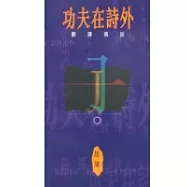
The Unesco Courier 2022年4月主題· Translation 。22世紀或21世紀後期的"翻譯評論"應用程式: 思果(1918──2004)功夫在詩外/翻譯研究 : AI Overview 思果(蔡濯堂)主張翻譯應以「信、達、貼(妥貼)」為原則,反對機械式對應與生硬的「翻譯腔」。他強調翻譯是「再創作」,譯者須具備高度的中文與外文素養,透過釋義與靈活處理句法,讓譯文自然流暢,達成「化」的境地,而非盲目釋義。
主要著作
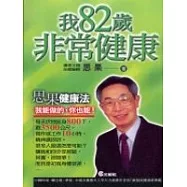
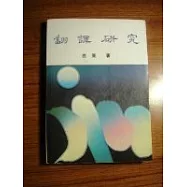
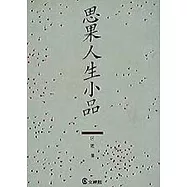
1979年,思果獲台灣中山文藝獎、1996年獲國家文藝獎之翻譯獎。歷年著有《翻譯研究》、《翻譯新究》、《譯道探微》、《功夫在詩外》,散文創作有《香港之秋》、《私念》、《沈思錄》、《思果散文選》、《林居筆話》、《霜葉乍紅時》、《曉霧裡隨筆》、《思果人生小品》、《河漢集》、《林居筆話》、《橡溪雜拾》、《遠山一抹》等。2000年曾出版一本談保健的書《我82歲非常健康》,其遺作書名是《迷人的嘮叨》。
AI Overview
思果(蔡濯堂)
主張翻譯應以「信、達、貼(妥貼)」為原則,反對機械式對應與生硬的「翻譯腔」。他強調翻譯是「再創作」,譯者須具備高度的中文與外文素養,透過釋義與靈活處理句法,讓譯文自然流暢,達成「化」的境地,而非盲目釋義。思果翻譯評論的重點:
- 反對「膠柱鼓瑟」: 反對名詞對名詞、動詞對動詞的僵化翻譯,認為譯者應精通兩種文字,根據意義而非字面進行處理。
- 主張「信達貼」: 在其著作中提出「信、達、貼(妥貼)」取代「信、達、雅」,強調翻譯首先要精確、妥貼。
- 重視「化」的境界: 翻譯不應留下「翻譯腔」,而應是自然的中文。他批評將中文寫得像外國話的劣譯。
- 譯者的再創作: 思果認為翻譯是「再解釋」與「再創作」,譯者需要運用想像力,克服原文文化差異。
- 反對過度釋義: 認為翻譯應儘量減少釋義,只有在原文實在難譯時才情有可原。
思果的翻譯觀點在文學翻譯領域,特別是對於中英翻譯的處理上,具有很高的參考價值,他的《翻譯研究》與《翻譯新究》是經典的翻譯理論與實踐著作。他的觀點,特別是關於譯者需要具備高超的文字功力以應對名著翻譯的挑戰,常被學者引述。
Translation opens doors to new worlds. What does it really mean to translate? In our latest issue, we explore what this practice really entails. Check it out: https://on.unesco.org/3DJUFpe
----
我十幾年前多次討論過思果(1989)《大衛‧考勃菲爾》,以後有空再找出來談。
Charles Dickens died in Higham, Kent, England on this day in 1870 (aged 58).
"You'll find us rough, sir, but you'll find us ready." 這句話思果的翻譯有點過份講究 (現在,我們不常用意思為"爽快;利落"的脆快。):
您會覺得我們挺粗野,可是招呼您挺脆快!
--from DAVID COPPERFIELD (1850)
--from DAVID COPPERFIELD (1850)
Charles Dickens’s most famous novel was also his own favorite, and the one that drew most on his own life story. DAVID COPPERFIELD is the classic account of a boy growing up in a world that is by turns magical, fearful, and grimly realistic. In a book that is part fairy tale and part thinly veiled autobiography, Dickens transmutes his experiences into a brilliant series of comic and sentimental adventures in the spirit of the great eighteenth-century novelists he so much admired. Few readers can fail to be touched by David’s fate, and fewer still to be delighted by his story. The cruel Murdstone, the feckless Micawber, the unctuous and sinister Uriah Heep, and David Copperfield himself, into whose portrait Dickens poured so much of his own early life, form an enduring part of our literary legacy. READ an excerpt here: https://www.penguinrandomhouse.com/…/david-copperfield-by-…/
----
思果(1989)譯《大衛‧考勃菲爾》,
wo:「
ch(張華):「
由「借形」修辭格想到你(hc按:「小讀者」)
一、「甲方」(羅馬人)的角度:把快樂建築在人的痛苦上。
二、「乙方」(奴隸)的角度:犧牲自己,娛樂他人(
三、「借形」用法:也即只採用字面的意義,
****關於SWEETHEART和Sweetmeats
先了解一下對小朋友最重要的甜嘴:
sweetmeat
noun [C] OLD-FASHIONED蜜餞、甜食、甜點
a small piece of sweet food, made of or covered in sugar
CH、WO 談的與SWEETHEART和Sweetmeats的出典思果(
Chapter 5 - David Copperfield - Charles Dickens (1812-1870)
' I AM SENT AWAY FROM HOME'
By and by, he said: 'No sweethearts, Ib'lieve?... Sweetmeats did you say, Mr. Barkis?' For I thought he wanted something else to eat, and had pointedly alluded to that description of refreshment. 'Hearts,' said Mr. Barkis. 'Sweet hearts; no person walks with her!'. 'With Peggotty?'. 'Ah!' he said. 'Her.'. 'Oh, no. She never had a sweetheart.'. ...
**** meat古來有"食物"意。所以新譯就直接採"food"( One man's meat is another man's poison. SAYING
said to emphasize that people like different things)
我對於'meat"感興趣,所以查
Webster's 1913 Dictionary 之網頁
http://www.hyperdictionary.
\Meat\, n. [OE. mete, AS. mete; akin to OS. mat, meti, D. met hashed meat, G. mettwurst sausage, OHG. maz food, Icel.matr, Sw. mat, Dan. mad, Goth. mats. Cf. {Mast} fruit,{Mush}.]
1. Food, in general; anything eaten for nourishment, either by man or beast. Hence, the edible part of anything; as, the meat of a lobster, a nut, or an egg. --Chaucer.
創 世 紀 Genesis 1:29 [hb5] 神說、看哪、我將遍地上一切結種子的菜蔬、
[kjv] And God said, Behold, I have given you every herb bearing seed, which is upon the face of all the earth, and every tree, in the which is the fruit of a tree yielding seed; to you it shall be for meat.
[bbe] And God said, See, I have given you every plant producing seed, on the face of all the earth, and every tree which has fruit producing seed: they will be for your food:
又:
創 世 紀 Genesis 9:3 [hb5] 凡活著的動物、都可以作你們的食物、
[kjv] Every moving thing that liveth shall be meat for you; even as the green herb have I given you all things.
[bbe] Every living and moving thing will be food for you; I give them all to you as before I gave you all green things.
2. The flesh of animals used as food; esp., animal muscle; as, a breakfast of bread and fruit without meat.
它的一些引伸意很有意思:
meat (INTEREST) noun [U]
important, valuable or interesting ideas or information:([n] the choicest or most essential or most vital part of some idea or experience; "the gist of the prosecutor's argument"; "the heart and soul of the Republican Party"; "the nub of the story")
It was a nicely written article and quite amusing but there wasn't much meat to it.
meaty adjective
having a lot of important or interesting ideas:
a meaty book/letter/report
She has written some wonderfully meaty parts for older actresses.
meat-and-potatoes adjective [before noun] US
more basic or important than other things:
For many unions, the meat-and-potatoes issue is no longer pay increases but job security.
be meat and drink to sb
If a difficult or unpleasant activity is meat and drink to someone, they enjoy doing it very much and find it easy.
****ch
「Roman Holiday(重溫林以亮的文章),
很有意思。Herbert Simon在自傳中用它說一流的學術界競爭激烈,
Google一下即可查出處
Childe Harold's Pilgrimage, Canto iv. Stanza 140. Author: George Gordon Noel Byron, Lord Byron.
There were his young barbarians all at play; There was their Dacian mother: he, their sire, Butcher'd
to make a Roman holiday! Childe Harold's Pilgrimage, Canto iv. Stanza 141. ...
****飛白之迷宮
《教育部 國語辭典》:解釋
白,白字、別字。飛白指將語言中的方言、俗語、吃澀、錯別,
飛白書的簡稱。見飛白書條。
書法創作中的"飛白"指什麽?.
"飛白"是指在書法創作中,筆劃中間夾雜著絲絲點點的白痕,
真如「老子的"道之言"與莊子的"言之道"——
「南 伯 子 葵 曰 : 「 子 獨 惡 乎 聞 之 ? 」 曰 : 「 聞 諸 副 墨 之 子 , 副 墨 之 子 聞 諸 洛 誦 之 孫 , 洛 誦 之 孫 聞 之 瞻 明 , 瞻 明 聞 之 聶 許 , 聶 許 聞 之 需 役 , 需 役 聞 之 於 謳 , 於 謳 聞 之 玄 冥 , 玄 冥 聞 之 參 寥 , 參 寥 聞 之 疑 始 。 」」(大宗師)
當然我去東京国立博物館」http://marsmoon.
「聾瞽指帰(ろうこしいき)」by 空海 @ 「空海と高野山展看他寫「梵字」 飛白…….
又,日文古織物和服、傢俱等名稱。
飛白先生也翻譯許多詩歌,包括洛爾迦(Federico Garcia Lorca(1898-1936),出版的诗集有《诗篇》、《
「綠呀我愛你這樣綠。 綠的風 ... 綠的枝椏。 大海上的船哪, 高山上的馬…….
(飛白譯). 吉他. 吉他已開始哭出哀音。 黎明的玻璃灑杯碎片紛紛」

沒有留言:
張貼留言